
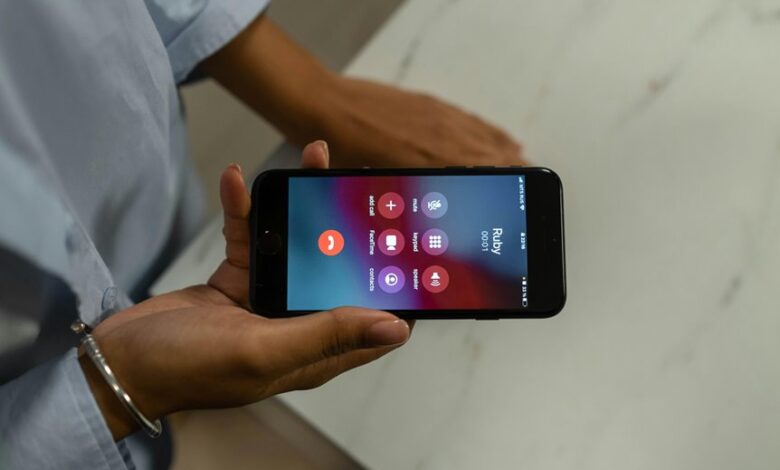
The discussion centers on Phone Lookup Explorer and the signals linked to 908-829-0335. It treats caller data as traces to be cross-validated against external records, noting timing, history, and metadata patterns. The method emphasizes disciplined verification and red-flag identification without quick judgments. It presents a structured approach that invites scrutiny of each signal, leaving the reader with a clear impetus to investigate further. The next step promises a methodical path through the evidence.
How Phone Lookup Explorer Signals a Trusted Caller
Phone Lookup Explorer signals a trusted caller through a combination of metadata cues and caller-history patterns. The approach analyzes dishonest patterns against verified metadata, isolating anomalies with disciplined scrutiny. Technician tips emphasize cross-checking caller history against external records and recent activity. Verification cues emerge from consistent timing, sustained identity signals, and corroborated contact histories, yielding a measured confidence assessment for freedom-loving analysts.
Decoding 908-829-0335: What the Signals Tell You
Decoding 908-829-0335 requires a disciplined parsing of signal patterns and contextual indicators. The analysis identifies decoding signals as core inputs, separating legitimate cues from noise. A detached assessment highlights the role of a trusted caller signal amid metadata trends. It notes how to verify credibility and flags potential red flags, guiding disciplined scrutiny without assuming certainty.
Practical Steps to Verify Legitimate Calls Quickly
To apply the signals identified previously to real-world calls, the article outlines a sequence of practical checks that can be completed rapidly.
Verification steps focus on source validation, timestamp consistency, and cross-checking caller signals against known patterns.
The approach remains analytical and concise, emphasizing disciplined verification rather than impulse judgment, empowering readers to discern legitimacy with disciplined, freedom-supporting clarity.
Common Red Flags and How to Respond With Confidence
Common red flags emerge when patterns deviate from established legitimate-call signals, and a disciplined approach focuses on objective indicators rather than subjective impressions. The analysis identifies an unrecognized caller and spoofing indicators as primary cues, prompting verification steps. Investigators favor documented contact history, caller ID anomalies, and cross-checking with trusted databases, ensuring a measured response that preserves autonomy without automatic trust.
Conclusion
Analysts conclude that trusted-caller signals arise from consistent metadata patterns, corroborated contact histories, and timely, cross-verified records. The 908-829-0335 case demonstrates how decoding signals—such as matched prior interactions and alignment with external databases—reduce uncertainty. A hypothetical example: a known business number first appears during routine invoicing, then corroborates with CRM logs and caller ID reputation services, confirming legitimacy and enabling swift, confident engagement without unnecessary escalation. Rigorous verification remains the arbiter of trust.