
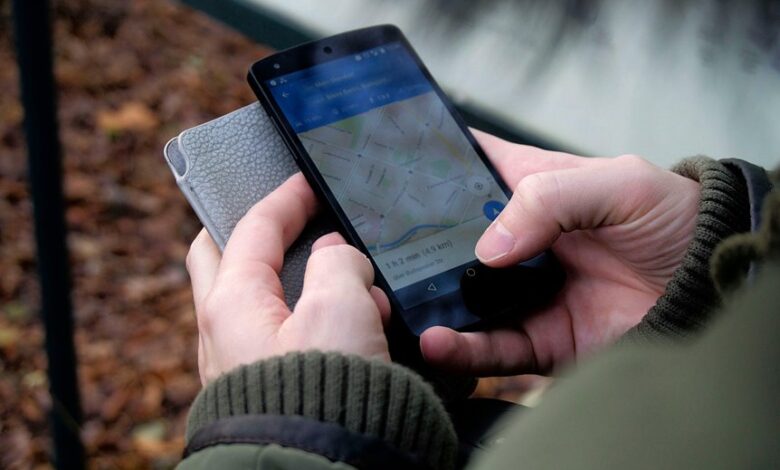
The Phone Lookup Discovery Guide on 979-636 examines how caller identity signals originate and what they imply. It frames verification as a careful, cross-record process, noting gaps between displayed names and actual sources. The approach emphasizes privacy-conscious steps, scam indicators, and documented actions. By outlining practical checks and cautious reporting, the guide invites further scrutiny of signals and methods, while hinting at unresolved questions that warrant closer attention.
What Is 979-636 Caller Identity Signaling?
What is 979-636 Caller Identity Signaling? The concept centers on how numeric origin data informs caller identity signals. Analysts assess signal interpretation to determine reliability, noting potential gaps between displayed caller name and actual source. When evaluating risk, emphasis rests on verify numbers and corroborating context to support scam protections, while maintaining cautious, freedom-respecting inquiry.
How to Verify a 979-636 Number Safely
To verify a 979-636 number safely, one should start by confirming the call originates from a reputable source and cross-check the number across independent records. The approach remains analytical, cautious, and privacy focused, emphasizing confirming call legitimacy through corroboration. Favor privacy conscious verification practices, avoid revealing personal data, and document findings for transparent, freedom-respecting decision-making.
Interpreting Common Caller Signals and Alerts
Interpreting common caller signals and alerts requires a structured, evidence-based approach to distinguish legitimate contact from potential risks. The analysis emphasizes caller ID basics, recognizing scam indicators, and applying step by step verification to confirm identity. Privacy considerations remain central, guiding cautious disclosure and data minimization while evaluating unfamiliar numbers, ensuring freedom through informed, methodical scrutiny and responsible information sharing.
Avoiding Scams: Quick Protections and Next Steps
In the wake of examining common caller signals, the focus shifts to practical protections and immediate actions that reduce exposure to scams. The guidance emphasizes fraud prevention through skeptical evaluation, heightened scam awareness, and rapid caller verification. Deception indicators are cataloged to deter risky responses, while stepwise procedures enable prudent interaction, documentation, and reporting, preserving autonomy and fostering safer, informed communication practices.
Conclusion
Conclusion (75 words, third-person, parallelism, concise and cautious):
The guide emphasizes verification, verification, verification, insisting on cross-checking numbers against independent records, corroborating names with sources, and documenting discrepancies, documenting discrepancies, documenting discrepancies. It stresses caution, caution, caution, highlighting scam indicators, red flags, and timely reporting, timely reporting, timely reporting. It promotes privacy-first practices, privacy-first practices, privacy-first practices, encouraging limit-sharing, data minimization, and secure notification. It recommends deliberate actions, deliberate actions, deliberate actions, balancing transparency with autonomy, transparency with autonomy, transparency with autonomy.