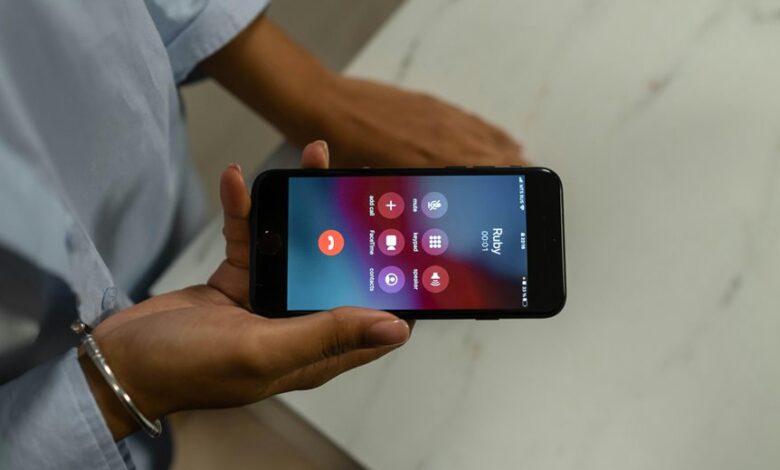
Caller Identification Radar, linked to the 910-593-8434 signal, claims to assemble reliable contact insights by cross-checking metadata against trusted sources. The method weighs timestamps, geolocation cues, and pattern consistency, flagging anomalies for scrutiny. Privacy safeguards claim to curb exposure while maintaining auditable procedures. Real-world impact appears to hinge on data quality and governance alignment. Questions remain about resilience to spoofing and the certainty of its confidence levels, inviting closer examination of its procedures and limits.
What Is Caller Identification Radar and Why It Matters
Caller Identification Radar is a system that analyzes caller data to determine a contact’s legitimacy and likelihood of relevance. It functions through caller identification and radar analytics to assess risk and usefulness. Metadata accuracy hinges on trusted databases and privacy safeguards. Real world use cases illustrate outcomes you can expect: informed decisions, reduced nuisance calls, and clearer contact landscapes.
How the System Analyzes Call Metadata for Accuracy
The system evaluates call metadata by cross-referencing multiple data points—source numbers, timestamps, geolocation cues, and historical interaction patterns—to detect inconsistencies and corroborate legitimacy. It remains skeptical, outlining gaps and potential anomalies without sensationalism. In this framework, caller identification hinges on disciplined, transparent analysis of call metadata, prioritizing accuracy over assumption, and challenging dubious signals with methodological rigor.
Verifying Numbers With Trusted Databases and Privacy Safeguards
Verifying numbers with trusted databases and privacy safeguards requires a disciplined, methodical approach that weighs reliability against privacy risk.
The process emphasizes Caller Identification and Accuracy Verification, scrutinizing source credibility and cross-checking records.
Privacy Safeguards must limit data exposure while preserving utility.
Metadata Analysis informs confidence levels, yet skepticism persists about completeness.
Transparent criteria and auditable procedures empower users seeking freedom from unchecked profiling.
Real-World Use Cases and Outcomes You Can Expect
Real-world deployments of radar-based identification reveal measurable gains in call-origin clarity and follow-up remediation efficiency, yet outcomes vary by data quality and operational context.
The results emphasize cautious optimism: Caller Identification improvements hinge on Data Accuracy, while Privacy Safeguards must align with governance.
Trusted Databases offer baseline reliability, but persistent gaps demand ongoing verification and skeptical, freedom-preserving deployment strategies.
Conclusion
In sum, Caller Identification Radar offers a structured approach to vetting call data, yet its value hinges on data quality and governance adherence. The system’s cross-referencing and flagging mechanisms aim to reduce ambiguity, but persistent uncertainties demand cautious interpretation. While improved remediation is plausible, stakeholders should treat confidence levels as provisional indicators, not guarantees. A wary, evidence-driven stance is essential—trust the process, verify the numbers, and anticipate continual updates as the most prudent posture. Nevertheless, disclosure remains paramount.