
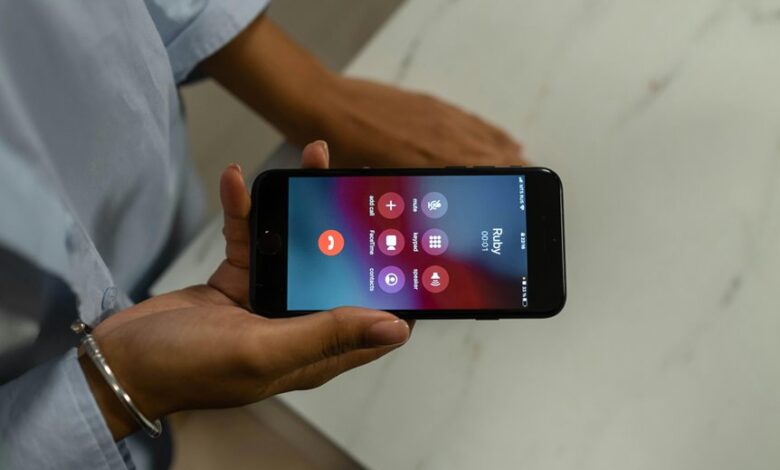
Caller Trace Intelligence offers a structured approach to identifying callers by cross-checking numbers against trusted, up-to-date databases and validating provenance and timestamps. The method emphasizes real-time verification, risk assessment, and documented audits to support accountable decision-making. Its appeal lies in disciplined evidence gathering and clear access controls. However, practical gaps remain in how anomalies are quantified and how privacy protections scale across contexts, prompting further examination of implementation details and governance.
What Is Caller Trace Intelligence and Why It Matters
Caller trace intelligence refers to the systematic collection, analysis, and dissemination of data associated with telephone numbers to identify callers, assess risk, and inform decision-making.
This framework analyzes call patterns, metadata, and historical records to support proactive risk management.
It enables transparency and accountability while highlighting privacy protection considerations, ensuring restricted access, auditability, and accountability for every data use in caller trace initiatives.
How to Verify Numbers in Real Time With Trusted Sources
To verify numbers in real time, organizations rely on trusted, interoperable data sources that deliver up-to-the-second identifiers and risk indicators. Verification steps involve cross‑checking caller IDs against real time sources, assessing source provenance, and validating timestamps. Analytical methods quantify confidence levels, while continuous monitoring flags anomalies. Sourced insights support proactive decision‑making, enabling agile verification without compromising user autonomy or privacy.
Steps to Trace a Caller’s Origin and Detect Red Flags
A methodical approach to tracing a caller’s origin combines metadata analysis with cross‑referencing across real‑time and historical data sources to identify potential red flags.
The process emphasizes disciplined evidence gathering, corroboration across platforms, and transparent documentation.
Findings should focus on caller trace patterns and caller origin signals, enabling early risk assessment while maintaining privacy and complying with applicable regulations.
Practical Strategies for Safe Call Handling and Privacy Protection
Practical strategies for safe call handling and privacy protection emphasize structured protocols, evidence-based decision-making, and adherence to regulatory and ethical standards. A detached assessment highlights validated caller trace criteria, documented access controls, and anonymized data handling to minimize risk. Clear auditing trails support accountability, while privacy protection remains central; policymakers and practitioners align practices with rights-respecting frameworks, ensuring transparent, responsible use.
Conclusion
Conclusion:
This guide emphasizes verification, verification, verification—cross-referencing IDs against trusted databases, validating provenance, corroborating timestamps, and assigning confidence levels. It advocates transparency, traceability, and accountability—documented audits, strict access controls, and ethical handling. It highlights risk assessment, anomaly flagging, and proactive governance, guiding decisions with disciplined evidence. It supports privacy preservation, prudent data minimization, and safe call handling, pairing real-time checks with responsible disclosure. It champions reliability, reproducibility, and responsibility in each step of caller trace intelligence.