Smart Caller Discovery Radar combines trusted lookup with live signal analysis to assess caller legitimacy. The system aggregates identifiers, historical call patterns, and contextual signals to generate a risk score. It supports a policy-driven triage workflow: baseline assessment, data validation, and continuous monitoring. The outcome is actionable controls and measurable risk reduction. Questions remain about integration quality and real-time responsiveness, inviting further examination of how these signals influence blocking decisions and long-term trust.
What Smart Caller Discovery Radar Does for You
Smart Caller Discovery Radar helps organizations systematically identify trusted contacts and minimize exposure to unknown or risky numbers. It delivers structured workflows for trusted lookup, enabling rapid vetting without disruption. Real time signals illuminate anomalies, while interpreting risk indicators informs policy decisions. The framework supports practical how to, translating data into actionable controls and measurable risk reduction across communications ecosystems.
How Trusted Lookup and Real-Time Signals Work
How do trusted lookup and real-time signals integrate to reduce risk in caller interactions? The analysis frames trusted signals as corroborated identifiers, source reliability, and historical patterns, while real time indicators reflect ongoing events and context. Together, they enable rapid risk scoring, dynamic verification, and adaptive blocking. The approach emphasizes data integrity, transparency, and scalable decision rules for safer caller engagement.
Interpreting Risk Indicators on Incoming Calls
Interpreting risk indicators on incoming calls requires a structured, data-driven approach to assess threat levels in real time. The analysis centers on objective risk indicators and caller signals, aligning statistical patterns with context from trusted lookup data. This deters fraud, guides automated triage, and informs policy decisions, while maintaining transparency for users seeking principled, freedom-oriented communication.
Practical How-To: Getting the Most From the Radar Interface
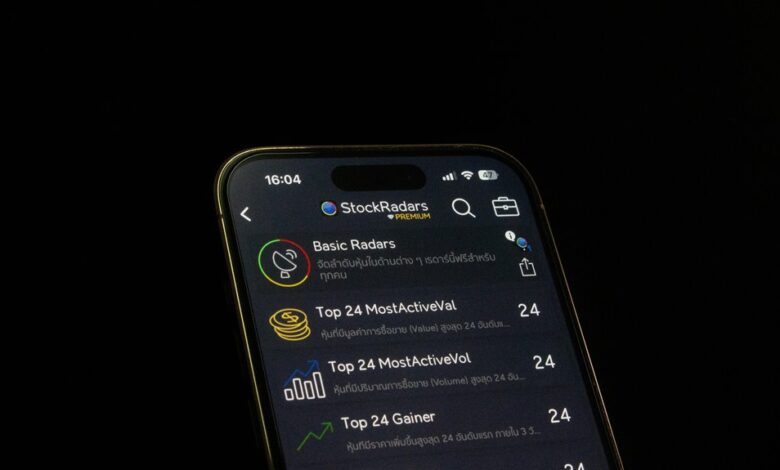
For practitioners, the Radar interface presents a structured workflow to maximize signal accuracy: begin with a baseline assessment using the risk indicators pane, then validate findings against trusted lookup data, and finally tailor triage rules to align with organizational policy.
Call insights emerge from disciplined correlation of indicators, while continuous monitoring refines risk indicators accuracy and informs decisive, freedom-enhanced decisioning.
Conclusion
In an industry obsessed with certainty, the Smart Caller Discovery Radar delivers the illusion of control through data-only assurance. The triage workflow—baseline risk, trusted data, continuous signals—appears rigorous, yet remains a polite veneer for policy-driven blocking. Analysts will value the measurable risk reductions, even as legitimate calls ride the occasional false-negative wave. The interface promises transparency, but the irony lies in data abundance masking the imperfect edge of real-time human judgment. Still, numbers prevail where nerves once did.