
Workforce accountability is no longer viewed solely as an HR responsibility. As organisations across Oman continue investing in digital transformation, it is increasingly becoming a core element of enterprise security.
According to the IBM Cost of a Data Breach Report 2024, breaches involving compromised credentials took an average of 292 days to identify and contain, highlighting the importance of stronger identity and access management in reducing organizational risk.
Thus, knowing who is present, when they entered, where they accessed, and whether they were authorised to do so provides organisations with operational visibility that extends far beyond attendance records.
Since modern businesses manage multiple facilities, rotating shifts, contractors, and hybrid work arrangements, manual supervision and traditional attendance methods often fail to provide the level of oversight required for effective security governance. These gaps in workforce visibility can contribute to operational inefficiencies, compliance challenges, and unnecessary security risks.
Rather than treating workforce management and security as separate functions, organisations are adopting integrated technologies that strengthen accountability while supporting daily operations. This shift reflects a broader movement toward intelligent workplace management, where access events, employee presence, and operational data work together to improve organisational resilience.
Why Workforce Accountability Is Reshaping Enterprise Security
Enterprise security has traditionally focused on protecting physical assets, restricting unauthorised entry, and monitoring facilities. Today, organisations recognise that workforce activity is equally important in maintaining a secure operating environment.
Employees, contractors, and visitors interact with business facilities throughout the day, often across multiple locations and varying work schedules. Without reliable visibility into workforce movement, organisations may struggle to identify irregular access patterns, monitor compliance with workplace policies, or respond quickly to unexpected incidents.
As businesses expand and operations become more dynamic, accountability is evolving from a management objective into a strategic security requirement.
The Visibility Gaps That Increase Security Risk
Many organisations continue to rely on disconnected systems for attendance, access management, and workforce administration. While each system may function effectively on its own, limited integration often creates information gaps that reduce overall visibility.
Some of the most common challenges include:
- shift changes that are not accurately recorded
- unauthorised access during non-working hours
- delayed identification of attendance irregularities
- inconsistent monitoring across multiple locations
- limited visibility into contractor and visitor movement
These challenges increase administrative effort while making it more difficult for security teams to maintain consistent oversight across facilities.
How Integrated Security Systems Strengthen Workforce Accountability
Modern organisations are strengthening workforce accountability by connecting identity verification, workplace access, and operational reporting into a unified security framework.
Three capabilities are driving this transformation.
1. Verified Workforce Identity
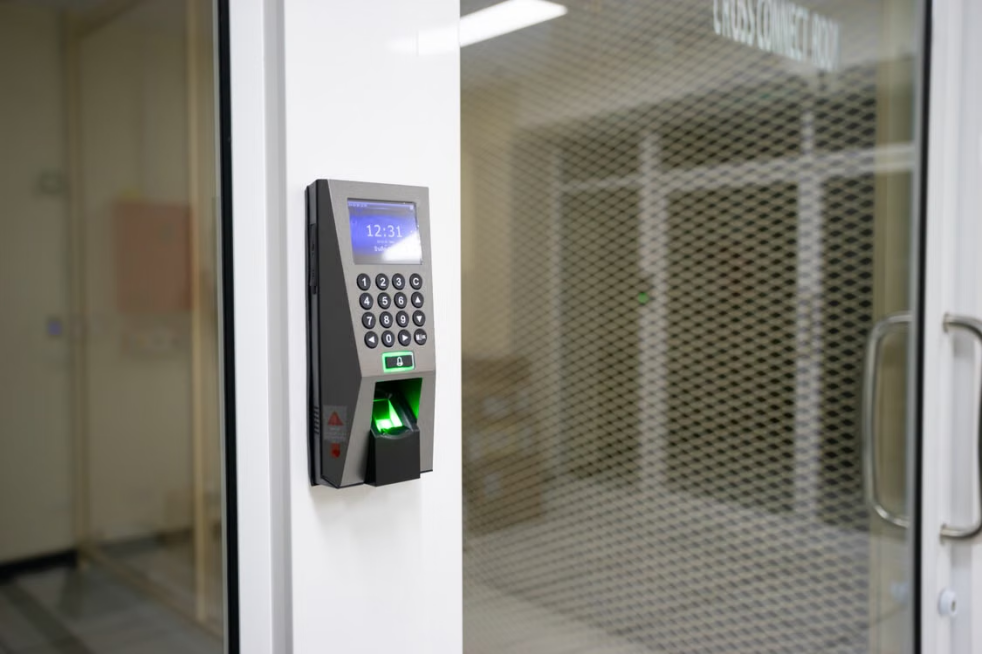
Accurate workforce accountability begins with confirming that the right individual is entering the workplace. Modern authentication technologies reduce reliance on manual verification and improve confidence in identity management.
When identity verification is integrated with an access control system, organisations establish a trusted record of authorised workplace activity from the moment employees arrive.
2. Controlled Workplace Movement
Accountability extends beyond building entry. Organisations increasingly need visibility into movement between departments, restricted zones, and operational areas.
Solutions such as swipe card access control allow businesses to define access permissions based on employee roles, schedules, and responsibilities. Every authorised access event contributes to a reliable operational record while reducing opportunities for unauthorised movement.
3. Real-Time Operational Visibility
Modern workforce systems generate continuous operational insights rather than static attendance records.
Security and management teams can monitor workforce presence, identify unusual access behaviour, review historical activity, and respond more efficiently when operational issues arise. Real-time visibility supports informed decision-making without increasing manual reporting requirements.
| Operational Benefits of Strong Workforce AccountabilityOrganisations that integrate workforce tracking with security operations often achieve improvements that extend beyond physical protection.stronger compliance with workplace policiesimproved visibility across multiple facilitiesfaster response to unusual access activityreduced administrative workloadmore consistent workforce governancebetter support for long-term operational planningBy connecting workforce data with security systems, organisations gain a clearer understanding of daily operations while maintaining efficient oversight. |
|---|
From Attendance Tracking to Enterprise-Wide Accountability
Attendance management alone cannot provide the operational intelligence required by modern enterprises.
Today’s organisations increasingly integrate workforce information with technologies such as enterprise key management solutions, visitor management platforms, surveillance systems, and facility monitoring tools. This connected approach allows security teams to understand not only who is present, but also how physical assets, secure areas, and operational resources are being accessed throughout the day.
For example, combining workforce records with a digital key management system enables organisations to track the issuance, return, and usage of physical keys alongside employee identity records. This creates an additional layer of accountability for facilities where sensitive equipment, restricted rooms, or high-value assets require controlled access.
Rather than managing separate security processes, organisations gain a unified operational picture that strengthens governance while simplifying administration.
Turning Workforce Data into Actionable Security Intelligence
As workplace environments become increasingly connected, security leaders require timely information to make informed operational decisions.
Integrated workforce accountability systems provide valuable insights into workforce patterns, access activity, and operational trends. These insights help organisations evaluate staffing requirements, improve policy enforcement, strengthen compliance efforts, and identify potential security risks before they escalate.
Instead of relying on manual investigations after an incident occurs, organisations can proactively monitor workplace activity and respond with greater confidence.
Building Future-Ready Organizations Through Workforce Accountability
The future of enterprise security depends on accurate identity verification, controlled workplace access, and continuous operational visibility. Workforce accountability brings these capabilities together, enabling organisations to protect facilities while supporting efficient day-to-day operations.
As businesses across Oman continue modernising their workplaces, integrated workforce management and security technologies will play an increasingly important role in building resilient, intelligent organisations.
AL Maha Business Systems provides advanced workforce management and enterprise security solutions designed to help organisations across Oman strengthen accountability through intelligent access control systems, integrated monitoring, and modern workplace technologies. Their expertise enables businesses to improve operational visibility while maintaining secure, efficient, and scalable workplace environments.
Contact AL Maha Business Systems today to discuss a workforce accountability solution tailored to your organisation’s security and operational goals.
About the Author
The author is an enterprise security and workplace technology researcher specialising in access control, workforce management, identity verification, and intelligent security infrastructure. Their work focuses on how integrated technologies improve operational visibility, strengthen governance, and support digital transformation across corporate, industrial, and public sector organisations.