Access Public Number Archives for 3291063213, 3515892116, 3393349743, 3805951370, 3470563228

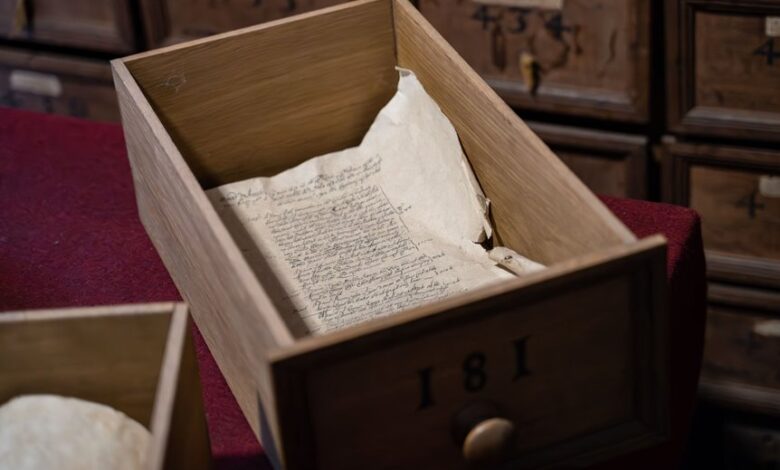
Access to Public Number Archives involves locating official portals, verifying identity, and selecting each target number to view its record. The process yields timestamps, posts, and interactions, with access logs and retention policies shaping provenance. This approach requires careful data minimization and awareness of privacy implications. The examination reveals patterns that may inform methodological choices and ethical boundaries. A careful balance between transparency and respect for individuals persists, inviting further scrutiny and disciplined inquiry.
How Public Number Archives Work and What You’ll See
Public Number archives function as organized repositories that preserve the history and content of public-facing accounts. They present timestamps, posts, and interactions in a structured view, enabling review and comparison. The system emphasizes transparency and traceability while guarding user agency. Privacy concerns arise through accessible histories; data minimization principles push for limiting stored details to essential elements.
How to Access Archives for Each Number (Step-by-Step)
Accessing archives for each number requires a clear, procedural approach that builds on understanding how public number archives function. The process begins with locating official portals, then verifying identity, selecting the target number, and opening its record. Review access logs for activity cues, and note data retention policies to determine how long information remains accessible before archival purging.
Interpreting Metadata: Patterns, Trends, and Red Flags
Metadata analysis reveals how patterns, trends, and anomalies in archival records illuminate data provenance and usage.
Interpreting these signals reveals privacy implications, as datasets show access rhythms and potential reidentification risks.
Data minimization guidance emerges from consistent red flags.
Ethics and privacy considerations frame interpretation, while consent and transparency principles guide disclosure, access controls, and provenance tracking for responsible archival analysis.
Ethical and Privacy Considerations for Researchers and Readers
Researchers must weigh the benefits of archival access against potential privacy risks, ensuring that inquiry and transparency do not compromise individuals’ confidentiality. Ethical and privacy considerations require clear boundaries, responsible data handling, and accountability for researchers and readers alike. Privacy implications and consent considerations must be central, guiding disclosure limits, anonymization practices, and respectful scrutiny of sources while preserving scholarly freedom and public access.
Conclusion
Public Number Archives provide a structured view into each number’s public footprint, with timestamps, posts, and interactions surfaced through officially sanctioned portals. Access requires identity verification and deliberate navigation to the specific record, then reviewing archival entries and retention notes. Across entries, data minimization and provenance cues guide interpretation, while privacy safeguards shape what is reported. Researchers should balance curiosity with ethical restraint, recognizing each trace as a fragment of a larger, guarded mosaic shaped by policy and purpose.
Conclusion (75 words, figurative, third-person detached):
In the quiet archive, traces glitter like fallen stars, each record a flicker of voice in a vast night. The portals hum with careful custodianship, turning raw footprints into measured echoes. Here, time wears a careful mask, revealing only what necessity permits. The observer threads through a lattice of meaning, guided by restraint, curiosity tempered by duty, until every fragment settles into a cautious constellation—illuminating, but never owning, the stories they glimpse.