
Browse Registry Lookup Archives for 3394554732, 3882405663, 3393511170, 3289692828, 3494697739

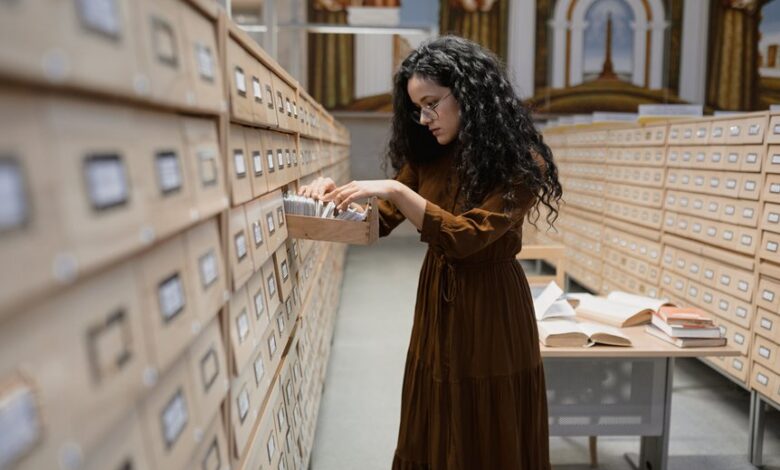
Browse Registry Lookup Archives for the identifiers 3394554732, 3882405663, 3393511170, 3289692828, and 3494697739 are presented as discrete records with traceable provenance. Each entry is methodically documented, noting source, timestamp, and exact field values. The archive emphasizes reproducibility and cross-linking potential, while preserving privacy and governance signals. The pattern invites careful comparison across records, yet leaves questions unresolved, signaling that the mapping task has not concluded. The next step awaits precise interpretation of the relationships uncovered.
What Are Browse Registry Lookups All About
Browse registry lookups refer to the process of querying a centralized directory to locate specific domain name records, software components, or configuration entries. The practice is cross-domain, documentable, and deterministic, yielding traceable results. Browsing datasets is routine for network management, while Privacy implications arise from exposure of metadata and access patterns, necessitating governance, audit trails, and disciplined data minimization.
How to Read Records for 3394554732 and Friends
To read records for 3394554732 and its associated entries, one should methodically locate each target in the registry, verify their identifiers, and document the exact field values observed. The process emphasizes disciplined recording of reading patterns and awareness of registry relationships, preserving provenance, ensuring consistency, and avoiding interpretive bias while maintaining an archival, non-narrative tone for freedom-minded researchers.
Patterns and Insights You Can Trace Across Archives
Patterns and insights across archives emerge from systematic cross-referencing of identifiers, field values, and relational links observed in the prior readings of 3394554732 and related entries. The analysis identifies consistent data provenance signals, corroborating timelines, and cross-entity connections. Visualization techniques distill complexity, revealing cumulative patterns, provenance trails, and anomaly markers for archival evaluation without implying prescriptive actions for future mapping.
Practical Steps to Map Relationships Using Registry Data
Practical steps to map relationships using registry data require a structured, repeatable workflow that emphasizes provenance, linkage criteria, and auditability. The methodical approach records source timestamps, entity identifiers, and transformation rules, enabling reproducible relationship mapping and registry insights. Researchers curate connection schemas, validate results, and maintain an auditable trail, ensuring transparency while preserving freedom to interpret complex networks within archival constraints.
Conclusion
The archives close with a measured quiet, as if a ledger itself has exhaled. The registries, like distant constellations, imply connections without claiming them, each timestamp a quiet footnote in a larger chronology. Readers are invited to trace provenance, not presume intent, to follow field values as footprints across a mapped terrain. In this disciplined hush, patterns emerge—reliable, repeatable beacons guiding future scrutiny, much as a tide once mapped the shore for those who would sail again.