Explore Verified Number Database for 3509751014, 3317323914, 3292826014, 3292718417, 3490985124

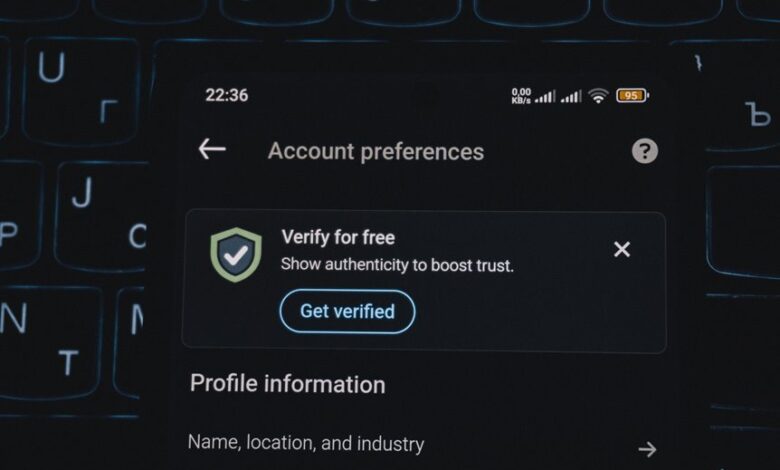
The discussion centers on verifying whether the numbers 3509751014, 3317323914, 3292826014, 3292718417, and 3490985124 map to active, registered contacts within a Verified Number Database. It emphasizes transparent criteria, provenance, and auditability, while upholding data minimization and privacy safeguards. The goal is to support compliant outreach and secure communications, without assuming ownership or future changes. A careful interpretation of status and sources will shape the next steps, inviting a cautious, methodical review of the verification process.
What a Verified Number Database Really Verifies
A verified number database confirms that a given telephone or account identifier maps to an existing, active contact point in its trusted registry, and that the record reflects current status and ownership.
The scope is limited to confirming presence and validity, not interpretation. Verified datasets enable reliable number validation, supporting compliance, accuracy, and secure communications without implying broader guarantees or future changes.
How to Interpret Verification Status for Each Number
Interpreting the verification status for each number requires a precise, standardized approach that distinguishes confirmed validity from uncertainty.
The assessment relies on transparent verification status criteria and traceable data sources.
Dialing integration considerations are noted without asserting operational deployment.
Privacy compliance remains central, guiding handling of results and safeguarding sensitive details while readers evaluate data sources and overall verification integrity.
Practical Steps to Integrate Verified Numbers Into Dialing
Integrating verified numbers into dialing systems requires a structured, risk-aware approach that builds on the verification criteria discussed previously. The process should implement a clear verification workflow, ensuring data provenance and auditability. Additionally, data enrichment should be used judiciously to enhance contact context without compromising accuracy or consent, enabling safer outreach and targeted, compliant communication.
Compliance, Privacy, and Best Practices for Outreach
Compliance, privacy, and best practices for outreach require a disciplined, risk-aware approach that aligns with applicable laws, industry standards, and organizational policies. The discussion presents a clear compliance overview and emphasizes privacy safeguards, detailing consent, data minimization, secure handling, and auditable processes. It remains cautious, detached, and precise, aiming to empower responsible outreach while preserving user freedom and regulatory alignment.
Conclusion
The verification exercise reveals clear, cautious indicators for each listed number, yet the trail remains intentionally ambiguous. While statuses point to active, registered contact points with documented provenance, the exact criteria and sources require ongoing auditability. Each entry invites controlled use and privacy safeguards, avoiding assumptions about ownership. As data provenance is continually scrutinized, stakeholders should monitor for changes and maintain compliant outreach practices, awaiting final confirmations that reinforce trust without overclaiming certainty.