
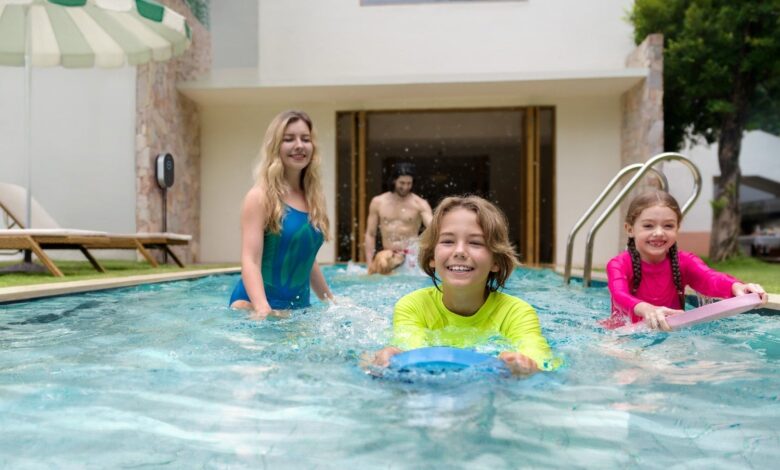
For many families, a backyard pool eventually becomes a familiar, unchanging space—a rectangle of still water where the initial excitement fades into routine. Kids splash around for a while, adults float aimlessly, and the pool sits underused for much of the year. But what if your pool could offer something more dynamic? Pool jets are changing the way families interact with their pools, turning a passive body of water into an active environment that serves both fitness and fun. How exactly can these systems transform your family’s daily pool experience? The answer lies in their remarkable versatility. Whether your teenager wants serious swim training, you’re looking for a low-impact workout, or your youngest children crave exciting water play, pool jets deliver a current that adapts to every family member’s needs. This article explores the benefits, options, and practical steps for implementing a pool jet system—helping you understand why this single addition can make your family pool the most-used space in your home.
Understanding Pool Jets: More Than Just Bubbles
Pool jets—often called swim jets or swim current systems—are engineered devices that propel a powerful, continuous stream of water through your pool, creating an artificial current strong enough to swim against. Unlike standard pool return jets, which simply circulate water for filtration, or spa jets that produce aerated bubbles for massage, swim jets generate a broad, smooth laminar flow designed specifically for aquatic exercise and active water play.
The core mechanism is straightforward: a dedicated high-performance pump draws water and forces it through precisely angled nozzles mounted in the pool wall. The result is a wide, deep current that simulates open-water swimming conditions within a confined space. What makes these systems particularly compelling for families is their adjustability. Most units allow you to dial the current from a gentle stream suitable for a six-year-old learning to tread water, all the way up to a competitive-level flow that challenges an experienced swimmer. Systems generally fall into two categories: dedicated swim current machines built for serious training, and versatile adjustable fitness jets that balance workout intensity with recreational use. Either way, installing pool jets transforms a static basin into the cornerstone of a dynamic, multi-use pool installation—one that grows with your family’s evolving interests and abilities.
See also: Web Developer Discussion Hub a Nixcoders.Org Blog Sharing Technology Insights
The Built-In System Advantage for a Permanent Family Solution
Families need pool additions that last—not gadgets that break down after a season or clutter the deck with hoses and external units. A permanent built-in system addresses this directly by integrating the jet mechanism into the pool’s structure itself, becoming an invisible yet powerful part of the swimming environment. Unlike strap-on resistance bands, tethered swim harnesses, or portable above-ground current machines that require constant setup and storage, a built-in system operates on demand with no assembly, no tripping hazards around the pool edge, and no equipment for curious toddlers to tamper with.
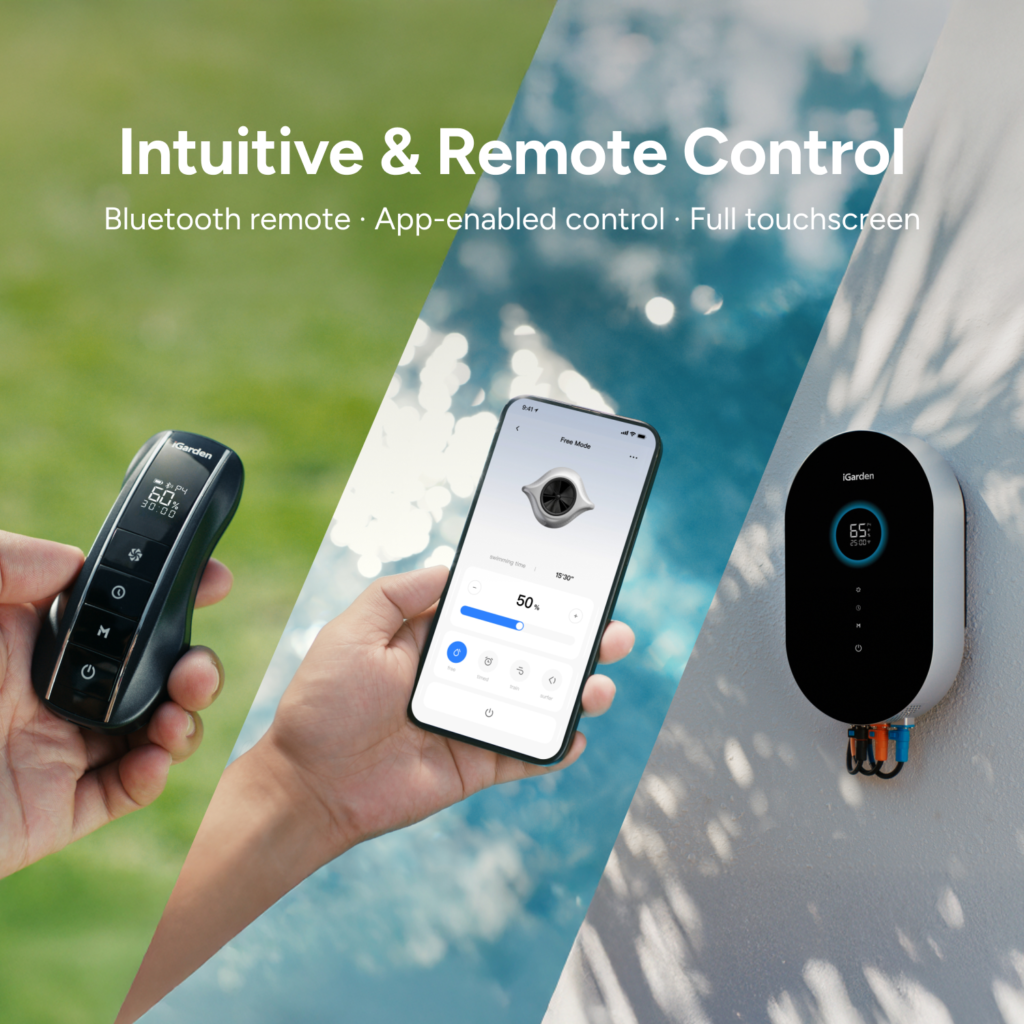
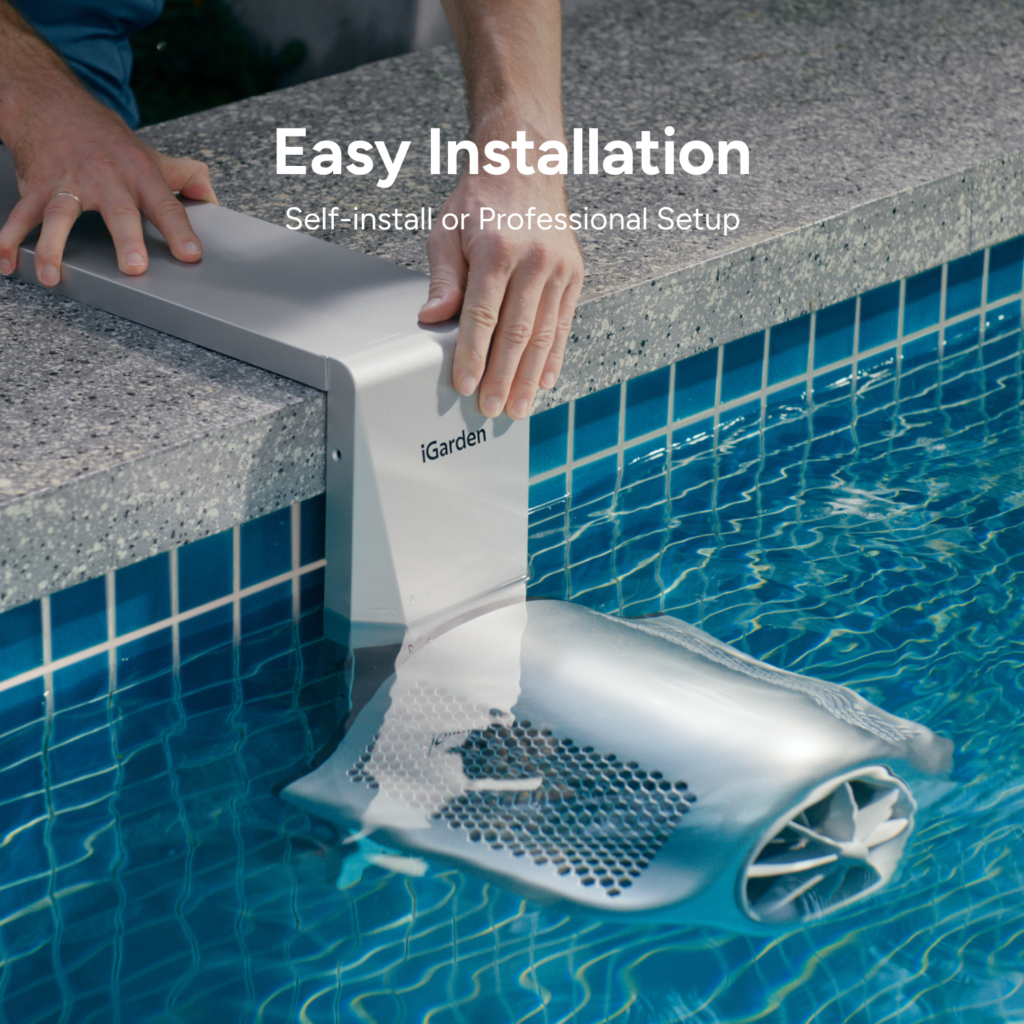
The integration process works for both new construction and existing pools. During a new pool installation, the jet nozzles are embedded directly into the pool wall at the optimal depth and angle during the shell construction phase. For retrofits, contractors cut into the existing wall, run dedicated plumbing lines, and install the nozzle assemblies with waterproof seals that maintain structural integrity. The core components include the jet nozzle (which shapes and directs the current), a high-flow pump separate from your filtration system (ensuring consistent power delivery), and a control unit that lets you adjust speed—often via a poolside panel or wireless remote.
Durability is a major family-friendly benefit. Built-in systems use marine-grade materials designed to withstand years of chlorinated water exposure and constant use. Safety improves because there are no external cords, no protruding equipment at water level, and the flush-mounted nozzles sit smoothly against the pool wall. Aesthetically, nothing disrupts your pool’s clean lines—the system remains entirely hidden until activated, preserving the visual appeal of your backyard space.
Planning Your Installation: A Practical Guide
Before committing to a pool installation with jets, assess three critical factors: your pool’s dimensions (a minimum length of about 12 feet provides adequate swimming space against the current), available electrical capacity (dedicated systems typically require a 220V circuit), and nozzle placement (ideally positioned at chest height on the shorter wall for the widest usable current). Professional consultation is essential here—an experienced pool contractor can evaluate your specific structure, confirm that your pool shell can accommodate the plumbing penetrations, and ensure local code compliance for the electrical work. The installation process follows four main steps: collaborative design to determine jet quantity and placement, plumbing and electrical rough-in connecting the pump to the nozzle locations, physical installation and sealing of the jet units, and finally a comprehensive flow-testing session where current strength and direction are calibrated to your family’s preferences.
Transforming Your Pool into a Fitness Hub with Swim Training
One of the most persistent frustrations for active families is the limitation of a standard backyard pool—it’s simply too short for meaningful exercise. You push off the wall, take a few strokes, and you’re already at the other end. Pool jets eliminate this constraint entirely by generating a continuous current that lets you swim indefinitely in place, effectively turning even a modest pool into an endless lap lane. This capability makes serious swim training accessible without ever leaving home.
For adults, the applications are immediate and varied. Set the current to a moderate pace for sustained aerobic swimming—twenty or thirty minutes of continuous freestyle that rivals any gym cardio session. Increase the intensity for interval training: sprint against a powerful flow for sixty seconds, then recover at a gentler setting for two minutes, repeating the cycle for a high-efficiency workout that builds cardiovascular endurance and muscular strength simultaneously. Beyond swimming strokes, the current provides resistance for aquatic exercises like water jogging, flutter kick drills, and core-stabilizing treading work that’s exceptionally joint-friendly.
Teenagers benefit enormously from technique refinement. A steady, predictable current allows them to focus on stroke mechanics—hand entry, body rotation, breathing rhythm—without the interruption of wall turns. Coaches often recommend this kind of stationary swimming for isolating weaknesses. For younger children, pool jets dialed to their lowest settings create a gentle resistance that builds water confidence naturally. Kids learn to kick harder, pull with purpose, and maintain body position because the current provides constant, honest feedback. When they stop working, they drift backward—a simple cause-and-effect that accelerates skill development far faster than still-water practice alone.
Unlocking New Dimensions of Family Fun and Play
Beyond fitness, pool jets fundamentally change how families play together in the water. A static pool offers limited entertainment—once you’ve splashed around and played Marco Polo a few times, the novelty wears thin. But introduce a current, and suddenly the pool becomes an interactive environment where the water itself is part of the game. Children instinctively love the challenge of swimming “upstream,” treating the current like a river they need to conquer. Set the jets to a moderate flow and watch kids spend hours trying to reach the opposite wall, laughing as the current pushes them back, building endurance without realizing they’re exercising.
The adjustable nature of the current opens up creative family fun possibilities that keep everyone engaged. Parents can create a lazy-river effect at low settings, letting younger children float gently along on pool noodles while feeling the thrill of movement. Older kids invent relay races against the current, competing to see who can hold their position longest or reach a target point first. Families play “current catch,” tossing a soft ball downstream while a swimmer fights upstream to retrieve it. Even simple activities like riding inflatable rafts become adventures when the water actively moves beneath you. These shared experiences—laughing together, cheering each other on, collaborating on water challenges—create bonding moments that a quiet, motionless pool simply cannot generate. The current transforms passive floating into active togetherness, giving every family member a reason to jump in.
Choosing the Right Pool Jet System for Your Home
Selecting the ideal pool jet system requires honest reflection about how your family actually uses—and wants to use—your pool. Systems designed primarily for rigorous swim training deliver a narrow, powerful current that mimics competitive lane conditions, making them excellent for households with dedicated swimmers but potentially overwhelming for young children or casual users. Versatile family-oriented systems, by contrast, prioritize a wide current field and broad adjustability range, allowing the same installation to serve a five-year-old’s gentle play session and a parent’s intense morning workout within minutes of each other.
Several factors should guide your decision. Current speed adjustability matters most for families with diverse ages and abilities—look for systems offering a wide range from barely perceptible flow to athletic-level resistance. The number of jets affects current width and smoothness; multiple nozzles produce a broader, more uniform stream that accommodates different body sizes and swimming styles without turbulence. Control features significantly impact daily usability: wireless remotes let you adjust intensity from inside the pool, while programmable settings allow each family member to save their preferred flow level for instant recall. Smart home platforms like iGarden can further streamline control by integrating pool jet scheduling and intensity adjustments into your broader home automation ecosystem. Consider whether you want a single-speed simplicity or multi-program capability that supports structured interval workouts. Ultimately, the right system aligns with your family’s specific balance between fitness ambition and recreational enjoyment—choosing one that grows with your children rather than limiting them ensures the investment delivers value for years to come.
Pool Jets: The Key to a More Active and Connected Family Pool
Pool jets address what families actually need from their backyard pool: a reason for everyone to get in the water, regardless of age, ability, or mood. They solve the fitness problem by delivering endless swim training opportunities—from gentle resistance for children building confidence to competitive-level currents for adults chasing real cardiovascular gains. They solve the entertainment problem by transforming still water into a dynamic playground where family fun happens organically through shared challenges, creative games, and active togetherness that no static pool can replicate. A quality built-in system ensures these benefits are permanent, safe, and maintenance-free for years, requiring nothing more than pressing a button to activate an entirely different pool experience. The investment pays dividends not in abstract terms but in measurable daily use—more hours spent swimming, more evenings spent together, more seasons where the pool remains central to family life rather than fading into the background. When you install pool jets, you’re not just upgrading equipment. You’re redefining what your pool means to your family—shifting it from a simple backyard amenity into the active heart of your home’s recreation, health, and connection.