
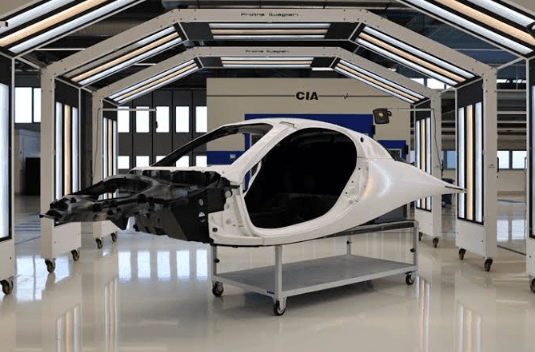
Sheet molding compound, commonly known as SMC, has become an increasingly important material choice for commercial vehicle manufacturers looking to balance weight, cost, and durability. Understanding what makes SMC automotive panels suitable for these demanding applications helps fleet manufacturers and body builders make more informed material decisions.
What SMC Material Actually Consists Of
SMC is a composite material formed from a combination of chopped fiberglass strands, resin, and various fillers, compressed and cured under heat and pressure into rigid panel forms. This composite structure gives SMC panels a favorable strength-to-weight ratio compared to many traditional metal panel options.
Why Commercial Vehicle Manufacturers Choose SMC
Commercial vehicles, including trucks, buses, and specialty vehicles, benefit from SMC’s corrosion resistance and dimensional stability, both of which reduce long-term maintenance costs compared to steel panels that require ongoing rust protection and repair. The material’s molding flexibility also allows manufacturers to integrate complex shapes and features directly into panel designs.
Weight Savings and Fuel Efficiency Implications
Reducing overall vehicle weight through composite panels like SMC can contribute to meaningful fuel efficiency improvements, particularly for fleet operators running vehicles over high annual mileage. This weight reduction is one of the primary drivers behind the increasing adoption of composite panels across commercial vehicle applications.
Impact Resistance and Repairability
SMC panels generally offer good impact resistance for typical operating conditions, though repair methods differ from traditional metal panel repair techniques. Fleet maintenance teams should ensure their technicians are trained in composite panel repair methods to avoid improper repairs that could compromise panel integrity.
Manufacturing Considerations for Custom Applications
For vehicle manufacturers requiring custom panel shapes or integrated features, SMC’s molding process offers considerable design flexibility compared to stamped metal panels, though tooling costs for custom molds should be factored into overall project budgeting, particularly for lower production volumes.
Evaluating SMC Panel Suppliers
For manufacturers and fleet operators researching material options, reviewing the specifications and capabilities offered through an SMC automotive panels supplier can help clarify surface finish quality, structural performance, and customization capabilities.
Long-Term Cost Considerations
While SMC panels may carry a higher upfront material cost compared to some traditional alternatives, the reduced corrosion-related maintenance and potential fuel savings from weight reduction often result in a favorable total cost of ownership over a vehicle’s operational lifespan.
See also: Online Tech Insight Article a @Nixcoders.Org Blog Revealing Coding Discussions
Frequently Asked Questions
Are SMC panels as durable as traditional steel panels for commercial vehicles? SMC panels offer strong corrosion resistance and good impact performance for typical operating conditions, though repair approaches differ from metal panels and require appropriately trained technicians.
Does using SMC panels significantly reduce vehicle weight? Yes, SMC panels generally weigh less than comparable steel panels, contributing to overall vehicle weight reduction that can improve fuel efficiency, particularly for high-mileage fleet applications.
Is SMC a cost-effective choice for low production volume vehicles? Tooling costs for custom SMC molds can make this material less cost-effective for very low production volumes, so manufacturers should weigh expected production numbers against tooling investment before committing to this material.
Final Thoughts
SMC automotive panels offer commercial vehicle manufacturers a compelling combination of weight savings, corrosion resistance, and design flexibility. Understanding the material’s strengths and practical considerations helps manufacturers determine where SMC panels make the most sense within their vehicle designs.