Locate Number Registry Evidence for 3891586656, 3533886674, 3899364878, 3533603520, 3881806657


The discussion centers on locating registry evidence for the numbers 3891586656, 3533886674, 3899364878, 3533603520, and 3881806657. The approach is methodical: verify current holders, trace provenance, and capture timestamped links to authoritative sources. Each step requires transparent sources and documented cross-references to external records. The objective is to establish verifiable ownership trails, while remaining prepared for subsequent validation steps and potential discrepancies that may emerge.
What Is the Locate Number Registry and Why It Matters
The Locate Number Registry is a centralized database that catalogs unique identifiers assigned to specific items or records, enabling standardized tracking and cross-system verification. This framework supports rigorous Locate Registry practices, facilitating Evidence Analysis and Verify Ownership through transparent Number Cross Referencing. A concise Documentation Strategy underpins data integrity, guiding Next Steps and ensuring consistent, auditable records across systems.
How to Verify Ownership for Each Listed Number (3891586656, 3533886674, 3899364878, 3533603520, 3881806657)
To verify ownership for each listed number—3891586656, 3533886674, 3899364878, 3533603520, and 3881806657—the process relies on cross-referencing the Locate Number Registry against authoritative records, examining both public and restricted sources, and documenting the provenance and current holder with timestamped evidence.
This approach ensures registry accuracy, supports verification steps, and maintains objective, precise provenance for freedom-minded readers.
Cross-Referencing History and Connections for the Five Numbers
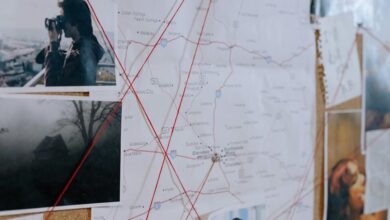
Cross-referencing history and connections for the five numbers involves mapping each identifier to its provenance, transaction trail, and known associations across registered records. The process supports Locate Registry and Evidence Crosscheck efforts, enabling a structured Cross reference History.
Connections Analysis assesses linkages, corroborating entries, and potential interdependencies, while maintaining objectivity, precision, and openness suitable for audiences seeking freedom of inquiry.
Step-by-Step Guide to Document Findings and Next Actions
How should the analyst structure a formal, repeatable process for recording findings and selecting subsequent actions, ensuring traceability and reproducibility across multiple registry entries? The procedure documents data points, sources, timestamps, and responsible agents, enabling never ending curiosity while upholding data governance. It includes open source verification, ethical sourcing, and clear next steps, preserving audit trails and facilitating repeatable investigations.
Conclusion
In the registry’s quiet ledger, the five numbers stand as locked doors. Each entry, a beacon of provenance, traces the path from source to holder with timestamped footprints and verifiable links. The cross-references form a lattice—connections that reveal ownership, associations, and risk of drift. As weathered keys turn in old locks, the documented trails invite repeatable checks, ethical sourcing, and transparent audits, guiding investigators to truth with disciplined steps and careful, symbolic patience.